
Built for the Cold and the Long Haul
An abundant-material alternative to lithium-ion — wide operating temperature, no lithium, no cobalt. Built for cold-climate sites, long-duration grid storage, and projects where supply-chain risk matters.
What is a Sodium-Ion Battery?
A sodium-ion (Na-ion) battery is a rechargeable cell that uses sodium ions instead of lithium ions to transfer charge between electrodes. Structurally, it works similarly to a lithium-ion battery, but replaces lithium with one of the most abundant elements on Earth — sodium.
This material substitution removes lithium, cobalt, and nickel from the core chemistry, enabling a lower-cost and more resource-secure supply chain. Typical designs use hard carbon anodes, layered-oxide or Prussian-white cathodes, and aluminum current collectors on both electrodes, further improving cost efficiency at scale.
One of sodium-ion’s key advantages is its wide operating temperature range, with reliable discharge performance down to around −30°C, making it particularly suitable for cold-climate energy storage where lithium-based systems may face limitations.
Why Choose Sodium-Ion?
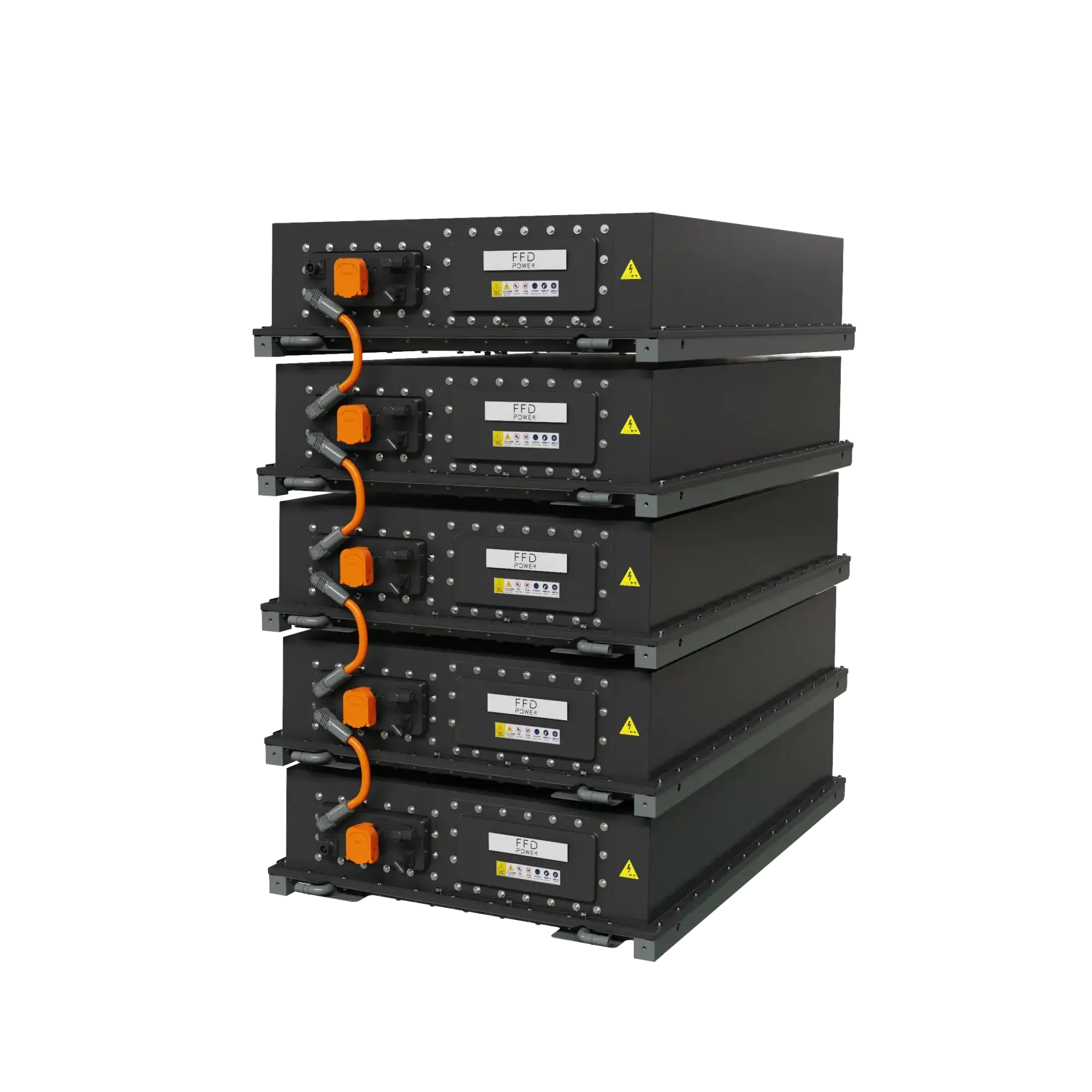
Sodium-ion sits at the intersection of three strengths that no other commercial chemistry combines: wide temperature operation, fully abundant materials, and a transport-safe cell that can be shipped at 0% state of charge. For cold-climate and long-duration grid storage, those strengths add up to a cost and resilience profile that lithium-ion can’t match.
Wide Temperature Range
Discharges reliably from −30 °C to +60 °C — a wider window than any mainstream lithium-ion chemistry. Cold-charging is possible without the lithium-plating risk that limits LFP at low temperatures.
For sites in northern climates, mountain regions, or unconditioned outdoor enclosures, this is the deciding factor.
Abundant Materials
No lithium. No cobalt. No nickel. Sodium is one of the most abundant elements on Earth, and the supporting materials — hard carbon, iron, manganese — are geographically diverse.
This eliminates the supply-chain risk that defines lithium-ion procurement and gives projects a hedge against lithium price spikes and trade-policy disruption.
Safer Transport & Storage
Sodium-ion cells can be transported and stored at 0% state of charge without affecting capacity or performance. Lithium-ion cannot — it must ship partially charged, which adds transport-fire risk.
Fire-safety risk is also lower than lithium-ion, though not zero. For fully fire-safe chemistry, see NiZn.
Sodium-Ion Best Applications
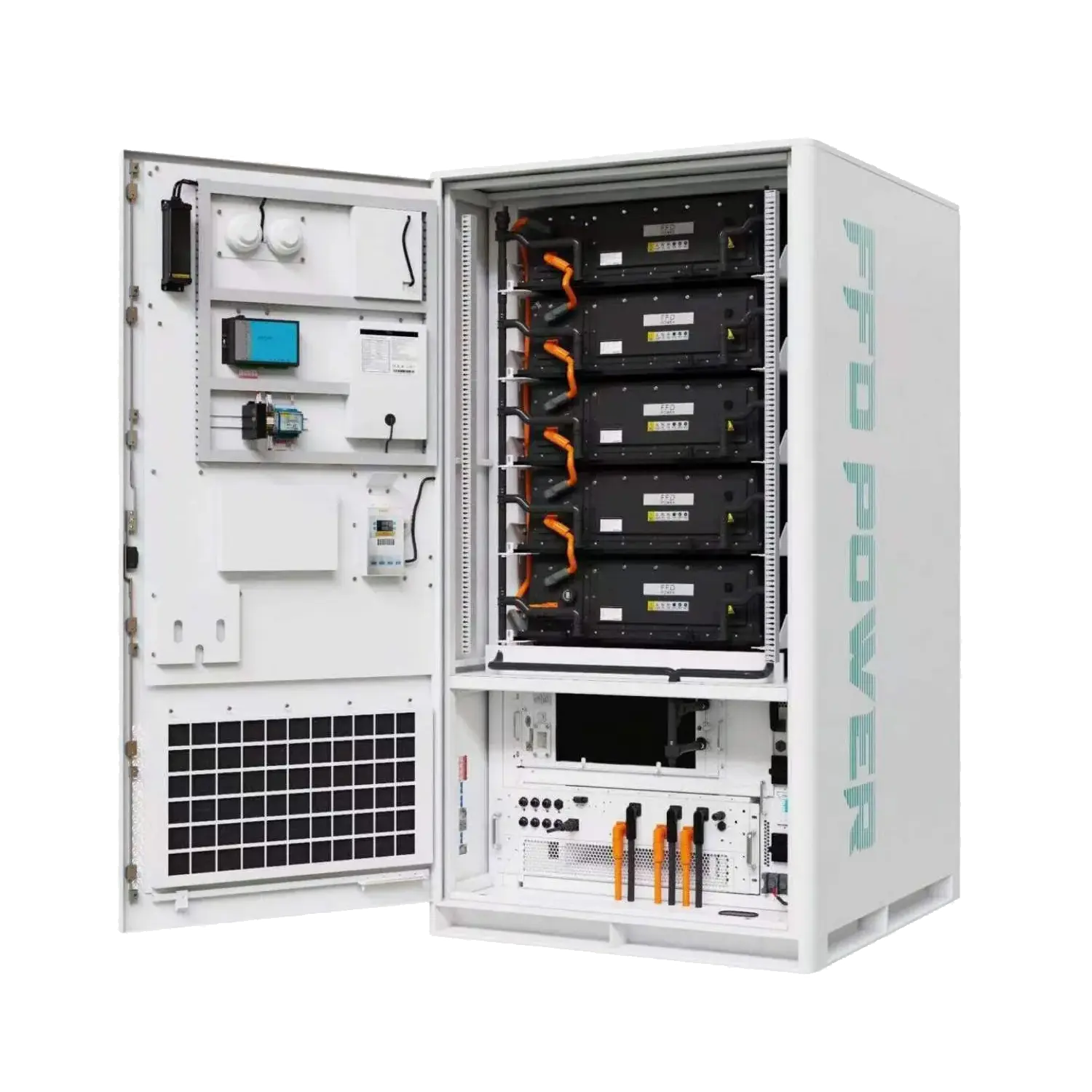
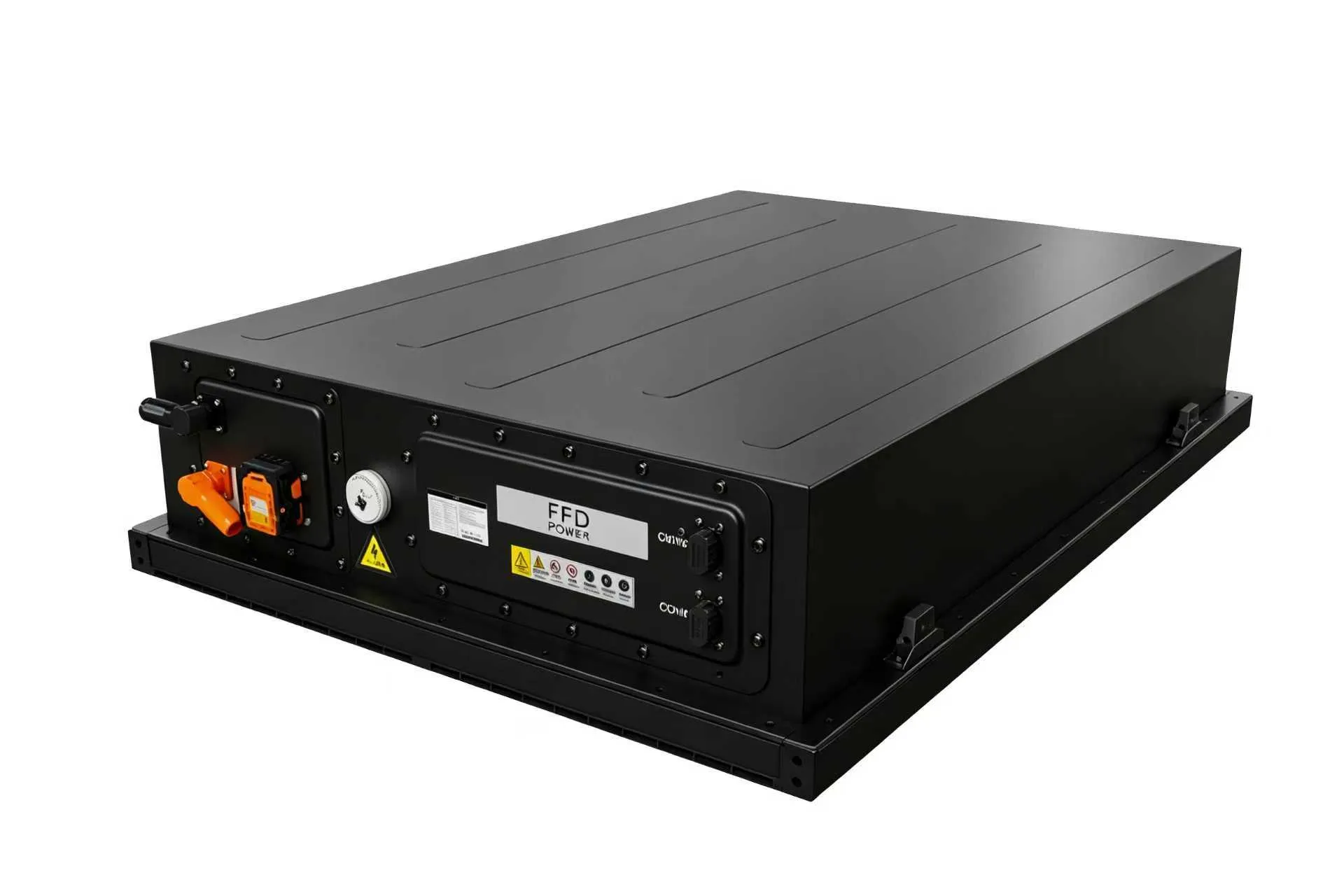
Sodium-ion is built for projects where cold weather, supply-chain resilience, or long-duration economics drive the chemistry decision. It is not the right tool for energy-density-constrained applications like residential storage.
Cold-Climate Storage
Northern utility-scale projects where LFP loses capacity below freezing.
Long-Duration Storage
4–8 hour discharge for grid time-shift and renewable firming.
Microgrid & Off-Grid
Remote sites with extreme temperatures and limited service access.
Lithium-Free Procurement
Projects with policy or ESG mandates to avoid lithium and cobalt.
Sodium-Ion Battery Specs
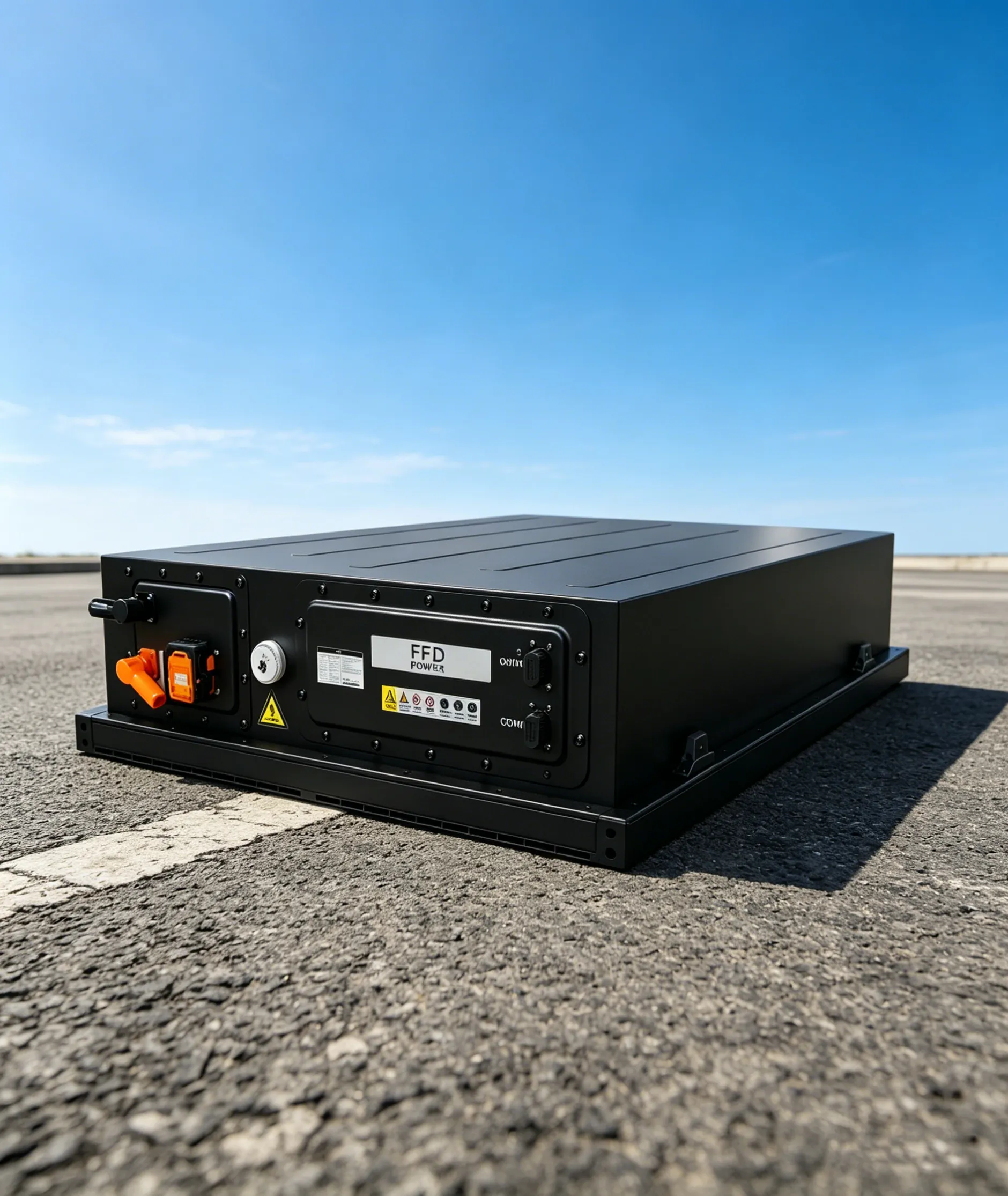
Sodium-ion (Na-ion) battery technology is specifically engineered to overcome the limitations of traditional chemistries in freezing climates.
These cells exhibit outstanding resilience, maintaining consistent power output and charging efficiency in harsh conditions ranging from −30°C down to −50°C. This robust performance ensures reliable energy delivery even in the most extreme polar or high-altitude environments where standard battery systems typically fail.
— CHEMISTRY COMPARISON
Comparison Between the Three Chemistries
NiZn, LFP, and sodium-ion each solve a different problem. Use this table to find the chemistry that matches your duty cycle and site constraints.
Attribute
Sodium-ion
LFP
NiZn
Best duty cycle
Long-duration, cost-sensitive
Long-duration daily cycling
Short, high-power pulses
Fire risk
Low
Low (LFP-stable)
No thermal runaway
Energy density
Moderate
High
Lower
Power density
Moderate
Moderate
Very high
Operating temp
-30 to +60°C
0 to +45°C
-20 to +50°C
Critical materials
None (Na)
Lithium
None (Ni, Zn)
Use case
Long- duration grid
Solar shifting
Data center UPS
FAQ
Frequently Asked Questions about Sodium-Ion Battery
A sodium-ion (Na-ion) battery is a rechargeable cell that uses sodium ions instead of lithium ions to shuttle charge between electrodes. The chemistry uses abundant materials — sodium, hard carbon, and layered oxide or Prussian-white cathodes — eliminating the need for lithium, cobalt, or nickel.
Sodium-ion has a lower fire-safety risk than lithium-ion and can be safely transported and stored at 0% state of charge. However, it is not non-flammable. For fully fire-safe chemistry suitable for indoor critical backup, see our NiZn battery page.
Sodium-ion can discharge at temperatures as low as −30 °C, well below the practical operating range of LFP. However, internal resistance rises significantly at low temperatures, which reduces round-trip efficiency. For sites that see regular sub-freezing operation, sodium-ion remains the better fit despite the efficiency trade-off.
FFD POWER sodium-ion cells are rated for 10,000+ cycles at 80% depth of discharge. Some commercial sodium-ion cells on the market today are rated even higher — 15,000 to 30,000 cycles — though real-world calendar life data is still accumulating as the chemistry matures into mass production.
No. Sodium-ion cells use sodium as the charge carrier, eliminating lithium entirely. They also contain no cobalt and typically no nickel — making the supply chain dependent only on abundant, geographically-diverse materials.
Choose sodium-ion for cold-climate sites that see regular sub-freezing operation, for projects where lithium supply-chain exposure is a concern, or for long-duration grid storage where cost per kWh matters more than energy density. Choose LFP for warm-climate daily cycling, and NiZn for fire-critical UPS backup.