
10C Discharge UPS Battery Option
A non-flammable, aqueous-electrolyte alternative to lithium-ion — built for data center, hospital, and telecom backup where fire risk is not an option.
What is a Nickel Zinc Battery?
A nickel-zinc (NiZn) battery is a rechargeable cell using a nickel-based positive electrode, a zinc negative electrode, and an aqueous potassium hydroxide electrolyte.
FFD POWER NiZn technology is built on four key advantages:
First, 10C ultra-high discharge capability, delivering instant high power for UPS bridging, data centers, and peak load events.
Second, intrinsic safety, with no flammable organic electrolyte or thermal runaway risk, making it ideal for indoor and equipment-side installation.
Third, environmental friendliness, using a water-based, recyclable chemistry with low environmental impact.
Finally, high power density for space saving, reducing the number of cabinets required and significantly lowering installation footprint in customer facilities.
FFD POWER NiZn combines 10C power performance, safety, sustainability, and compact design for critical backup applications.
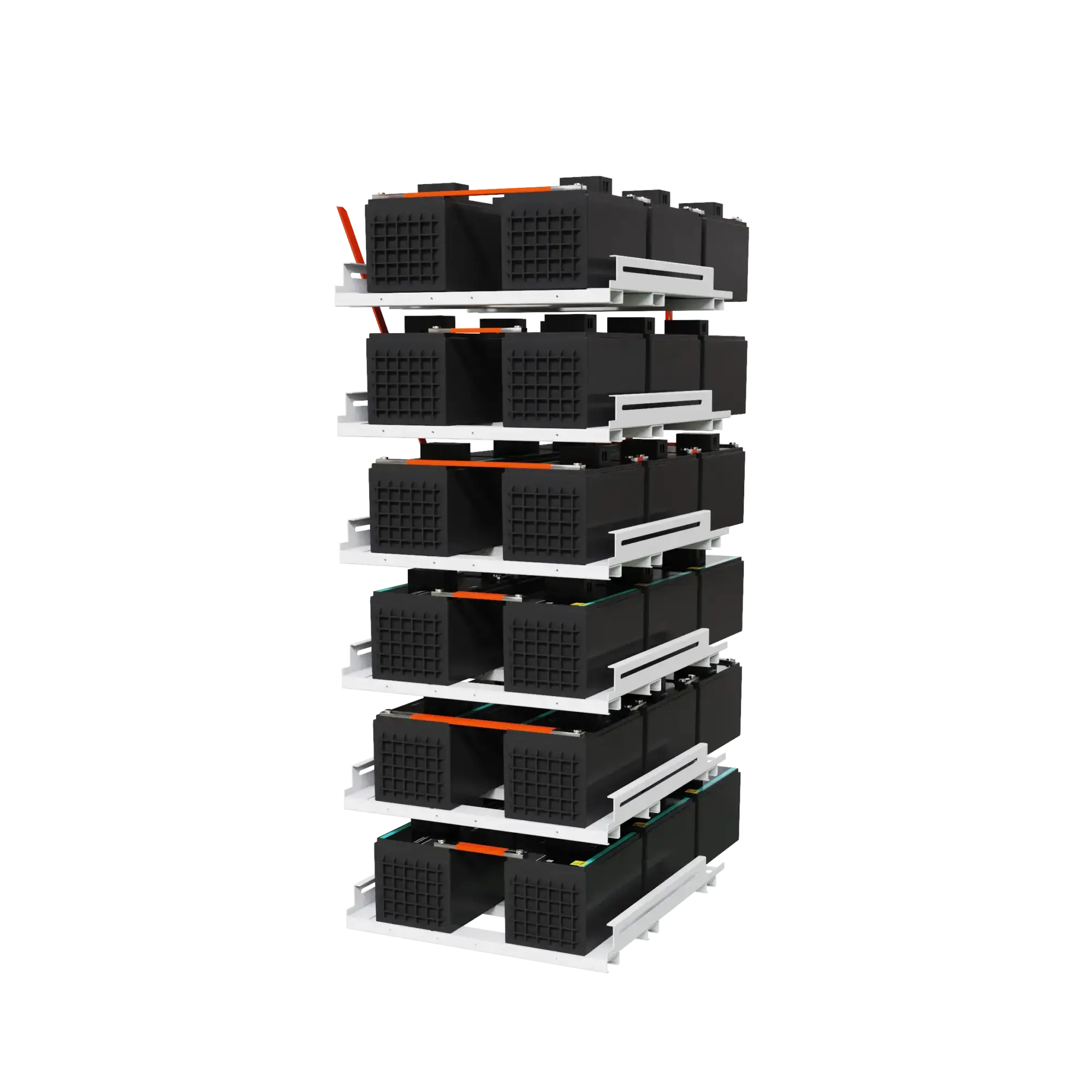
Why Choose Nizn?
Discover how nickel zinc batteries deliver exceptional safety and performance for modern critical-power applications. NiZn cells offer non-flammable chemistry, instant power delivery, and a fully recyclable material set — making them a reliable choice across a range of backup and high-power applications.
Ultimate Security
The electrolyte is potassium hydroxide in water — non-flammable by nature. No organic solvent to ignite, no oxygen-releasing cathode, no cell-to-cell propagation pathway.
Tested at the cell level to UL 9540A, the standard for thermal runaway in energy storage. Across all five destructive tests, the cells did not exhibit a fire event.
10C Discharge
10C ultra-high-rate discharge capability, meaning they can release their full rated power almost instantly when needed. In critical scenarios like data center UPS switching, industrial load spikes, or power interruptions, the system responds in milliseconds without voltage sag or performance delay.
This level of burst power ensures your equipment stays protected during the most demanding moments — not just running, but staying fully stable when everything else is under stress.
Minimal Space
Each battery module can deliver significantly more power per unit, you need fewer cabinets, fewer racks, and a much smaller footprint to achieve the same backup capacity compared to conventional systems. In environments where every square meter of data center space is expensive, this means more room for IT equipment — or lower construction and expansion costs.
In short, higher power density = fewer batteries = a much more compact, cost-efficient energy storage layout.
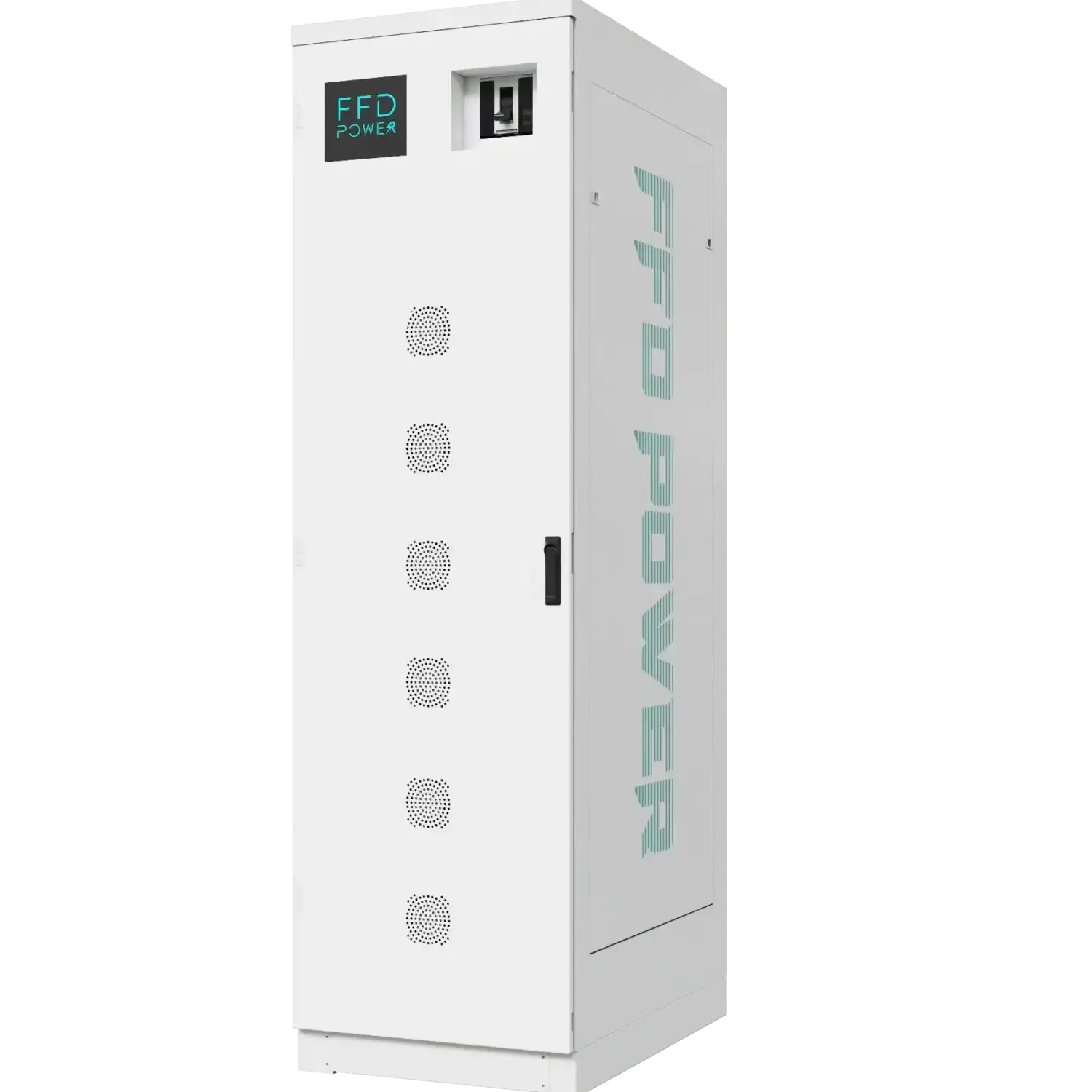

NiZn Best Applications
Where failure isn’t an option, and the load is short and sharp. NiZn is purpose-built for facilities that need instant power, fire safety, and minimal footprint — not for long-duration energy shifting.
High-level Data Centers
Fire risk near IT equipment is the deciding factor. NiZn sits inside the white space.
Hospital & Critical Backup
Occupied spaces, occupied 24/7. Code compliance without dedicated fire rooms.
Telecom & Edge Sites
Small footprint, no on-site fire response, wide operating-temperature range.
Industrial Ride-Through
Short sags, repeated cycling, no warm-up patience required.
NiZn Battery Specs
The Nickel-Zinc (NiZn) battery is engineered for high-performance applications where safety and resilience are paramount..
A standout feature is its UL 9540A safety rating, which certifies that the battery experiences no fire events even under thermal runaway conditions. Furthermore, it maintains reliable operation across a wide thermal range, from −20°C to +50°C, ensuring stability in extreme environments.

— CHEMISTRY COMPARISON
Comparison Between the Three Chemistries
NiZn, LFP, and sodium-ion each solve a different problem. Use this table to find the chemistry that matches your duty cycle and site constraints.
Attribute
NiZn
LFP
Sodium-ion
Best duty cycle
Short, high-power pulses
Long-duration daily cycling
Long-duration, cost-sensitive
Fire risk
No thermal runaway
Low (LFP-stable)
Low
Energy density
Lower
High
Moderate
Power density
Very high
Moderate
Moderate
Operating temp
-20 to +50°C
0 to +45°C
-30 to +60°C
Critical materials
None (Ni, Zn)
Lithium
None (Na)
Use case
Data center UPS
Solar shifting
Long-duration grid
FAQ
Frequently Asked Questions about Nickel Zinc Battery
Yes. NiZn uses an aqueous potassium hydroxide electrolyte instead of the flammable organic solvent used in lithium-ion. There is no thermal runaway pathway and no oxygen-releasing cathode, so the cells cannot sustain a fire. NiZn cells have been tested to UL 9540A with no fire event recorded.
UL 9540A is the standard test method for evaluating thermal runaway propagation in battery energy storage systems. It is the benchmark fire-safety test for grid- and facility-scale batteries in North America, and is increasingly required by AHJs for indoor BESS deployments.
Choose NiZn when fire safety is non-negotiable and your duty cycle is short and high-power — UPS bridging, data center backup, frequency response. Choose LFP when you need long-duration discharge (4–8 hours) at the lowest cost per kWh. Choose sodium-ion for cold-climate or cost-sensitive long-duration storage.
FFD POWER NiZn cells are rated for 3,000+ cycles at 100% depth of discharge. Calendar life depends on operating conditions, but well-maintained installations typically deliver 10–15 years of service.
Both metals are abundant, traded on transparent commodity markets, and fully recyclable through standard metal recyclers. NiZn cells contain no lead, cadmium, mercury, or cobalt — which removes a category of regulatory friction at end-of-life.
Yes — that is one of the primary reasons customers choose NiZn. Because there is no thermal runaway pathway, NiZn cabinets can sit inside data center white space, hospital electrical rooms, and telecom equipment rooms without a dedicated fire-suppression enclosure.