
The Proven Workhorse of Long-duration Storage
Lithium iron phosphate cells deliver thousands of deep cycles, ~90% round-trip efficiency, and the lowest cost per kWh of any mainstream stationary chemistry — built for daily solar shifting, peak shaving, and commercial backup.
What is an LFP Battery?
An LFP battery (Lithium Iron Phosphate, LiFePO₄) is a lithium-ion chemistry that uses iron and phosphate in the cathode instead of cobalt or nickel. This material choice has made LFP the most widely deployed and market-validated technology in stationary energy storage today.
After years of large-scale commercial and utility applications, LFP has proven its high maturity, stable performance, and strong operational reliability in real-world conditions.
Its olivine crystal structure provides excellent thermal and chemical stability, enabling long cycle life, consistent degradation behavior, and safe deep discharge capability. This makes it especially suitable for daily cycling energy storage systems.
In addition, LFP delivers a strong cost-performance advantage, combining long service life with low lifecycle cost per kWh, which is why it dominates today’s energy storage market.
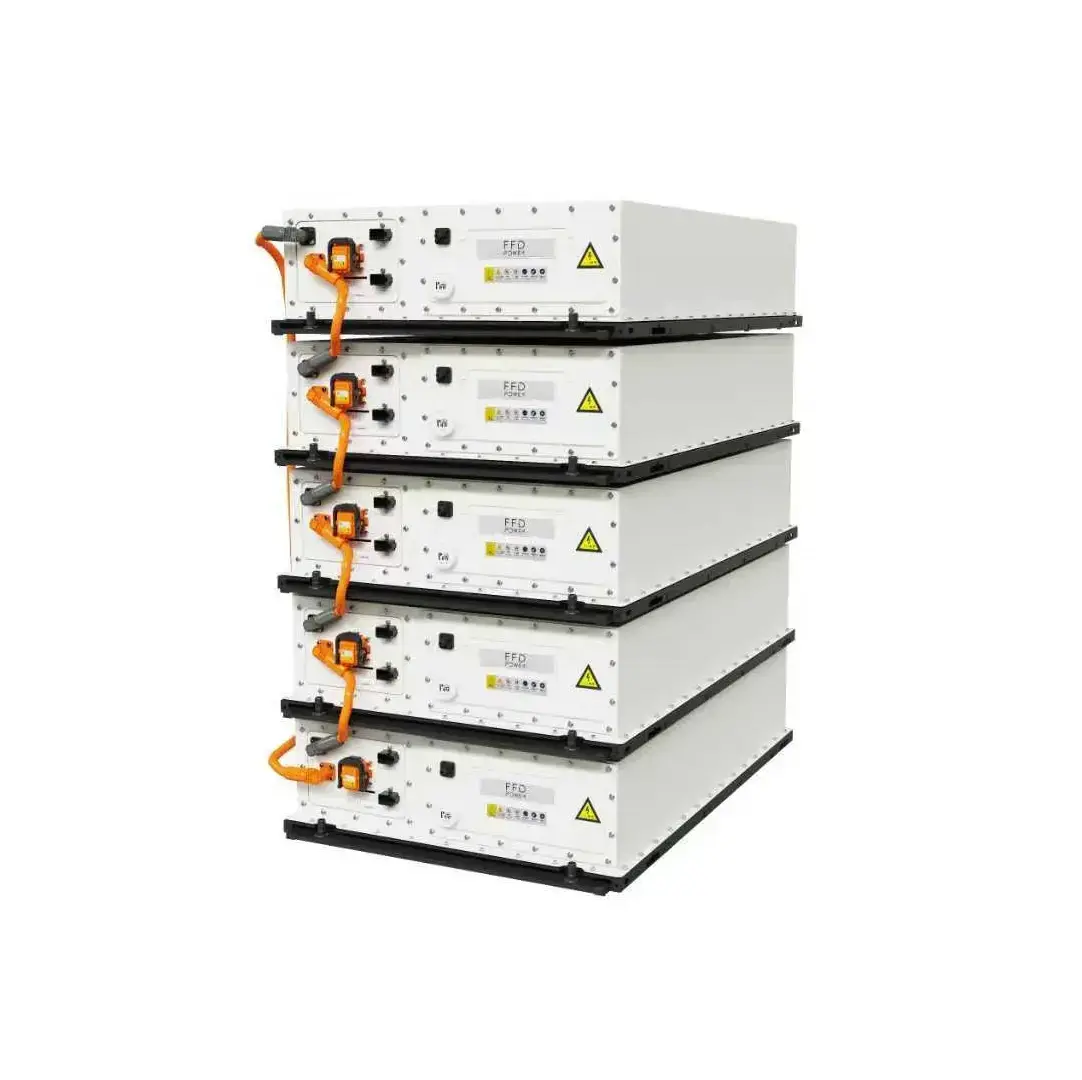
Why Choose LFP?
LFP is the workhorse chemistry of stationary storage because it gets three things right at the same time: it lasts longer than any other mainstream lithium-ion variant, it is the cheapest per kWh, and it contains no cobalt. For long-duration daily cycling, those three together are hard to beat.
Long Cycle Life
FFD POWER LFP cells are rated for 6,000+ cycles at 90% DoD — roughly 15 to 20 years of daily cycling before reaching 80% state of health.
The olivine cathode structure degrades slowly and predictably, which means engineers can model lifetime accurately and bankers can underwrite it with confidence.
Lowest Cost per kWh
LFP is the most cost-effective mainstream stationary chemistry on the market. Iron and phosphate are abundant, and manufacturing has scaled to gigawatt-hour volume.
Combined with high ~90% round-trip efficiency, the levelized cost of storage over the life of the system is the lowest of any lithium-ion option available today.
Cobalt-Free Materials
No cobalt. No nickel in the cathode. Just lithium, iron, and phosphate — abundant materials with transparent commodity-market pricing.
That removes the ESG and supply-chain risks tied to cobalt mining, and it simplifies recycling and end-of-life reporting for utility and corporate buyers with sustainability targets.
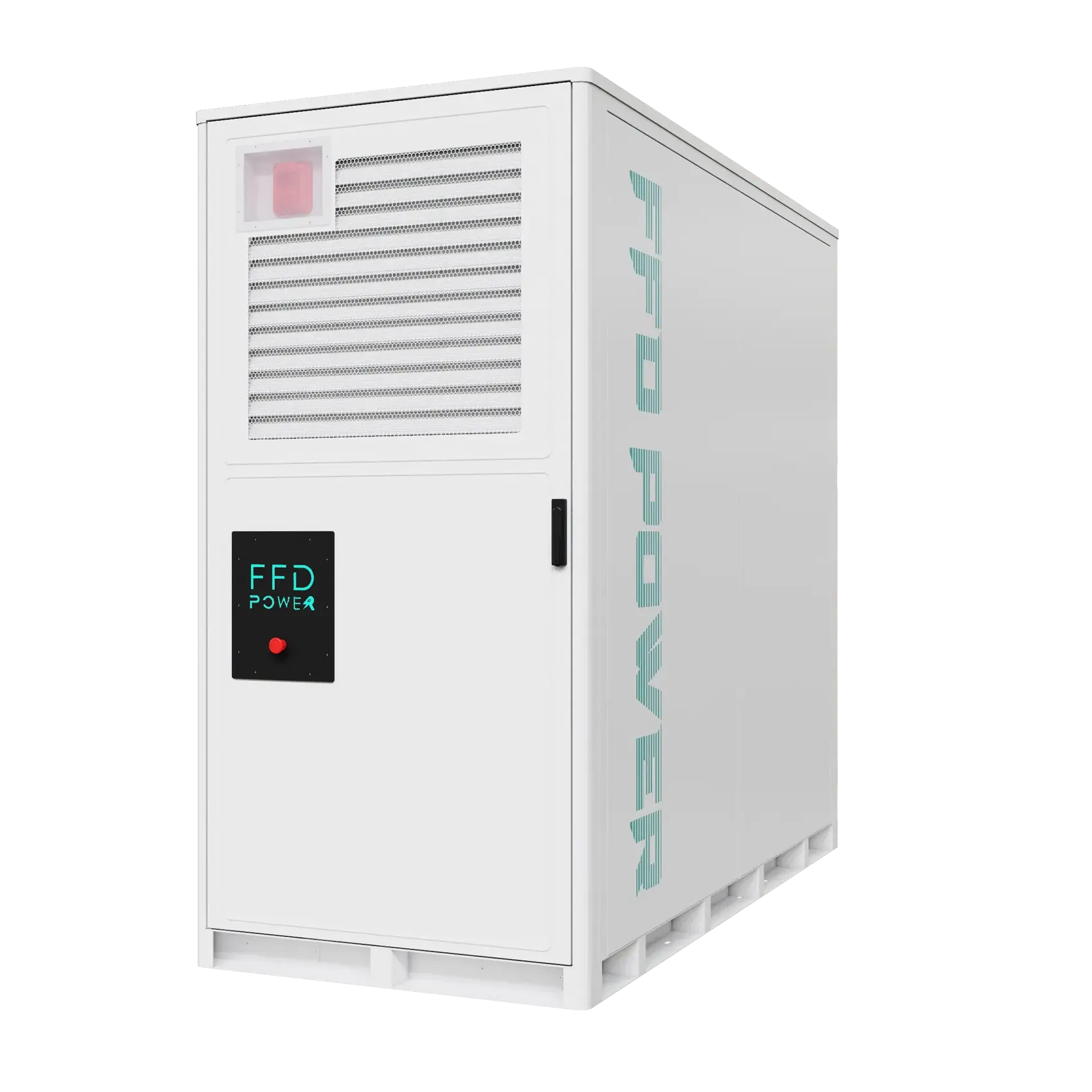
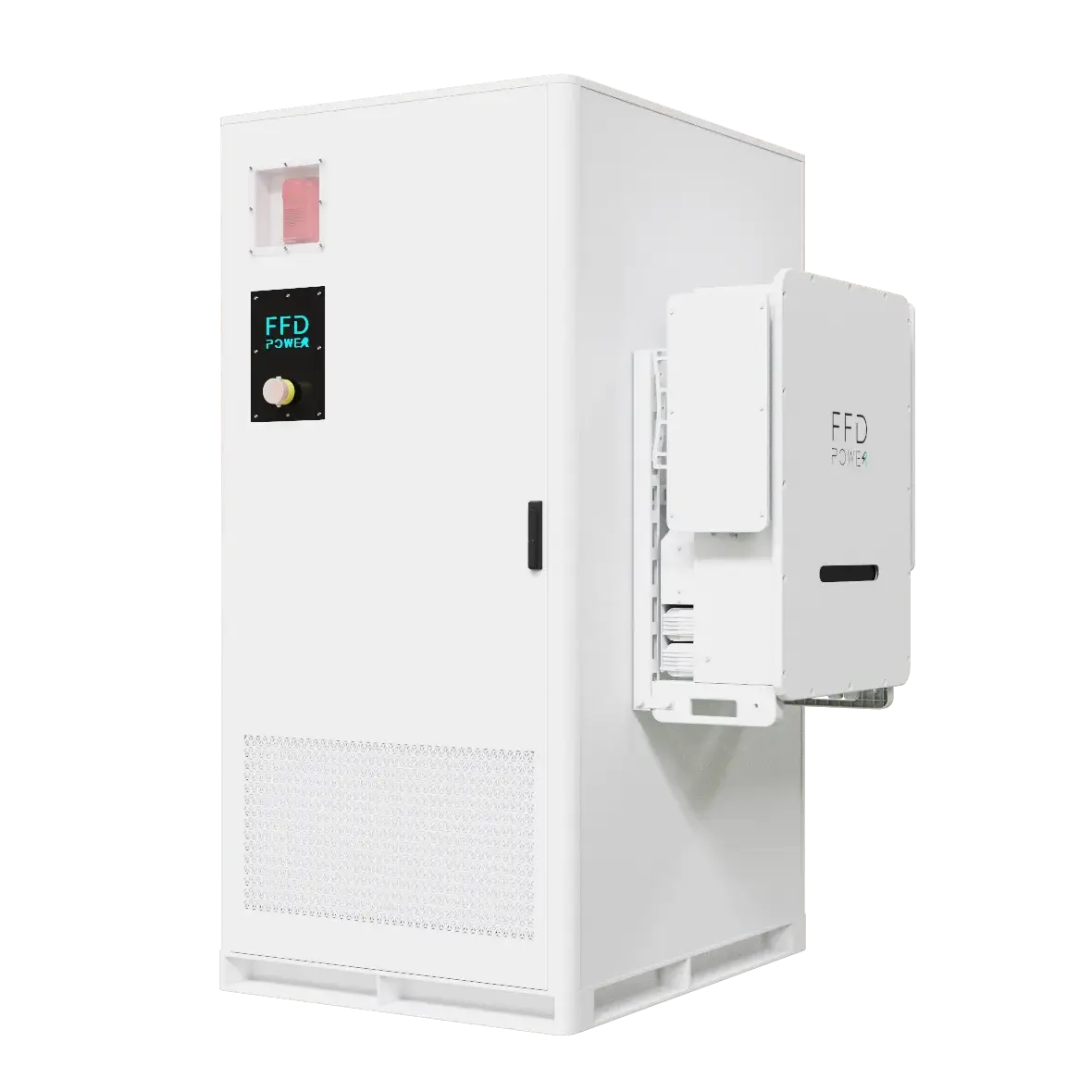
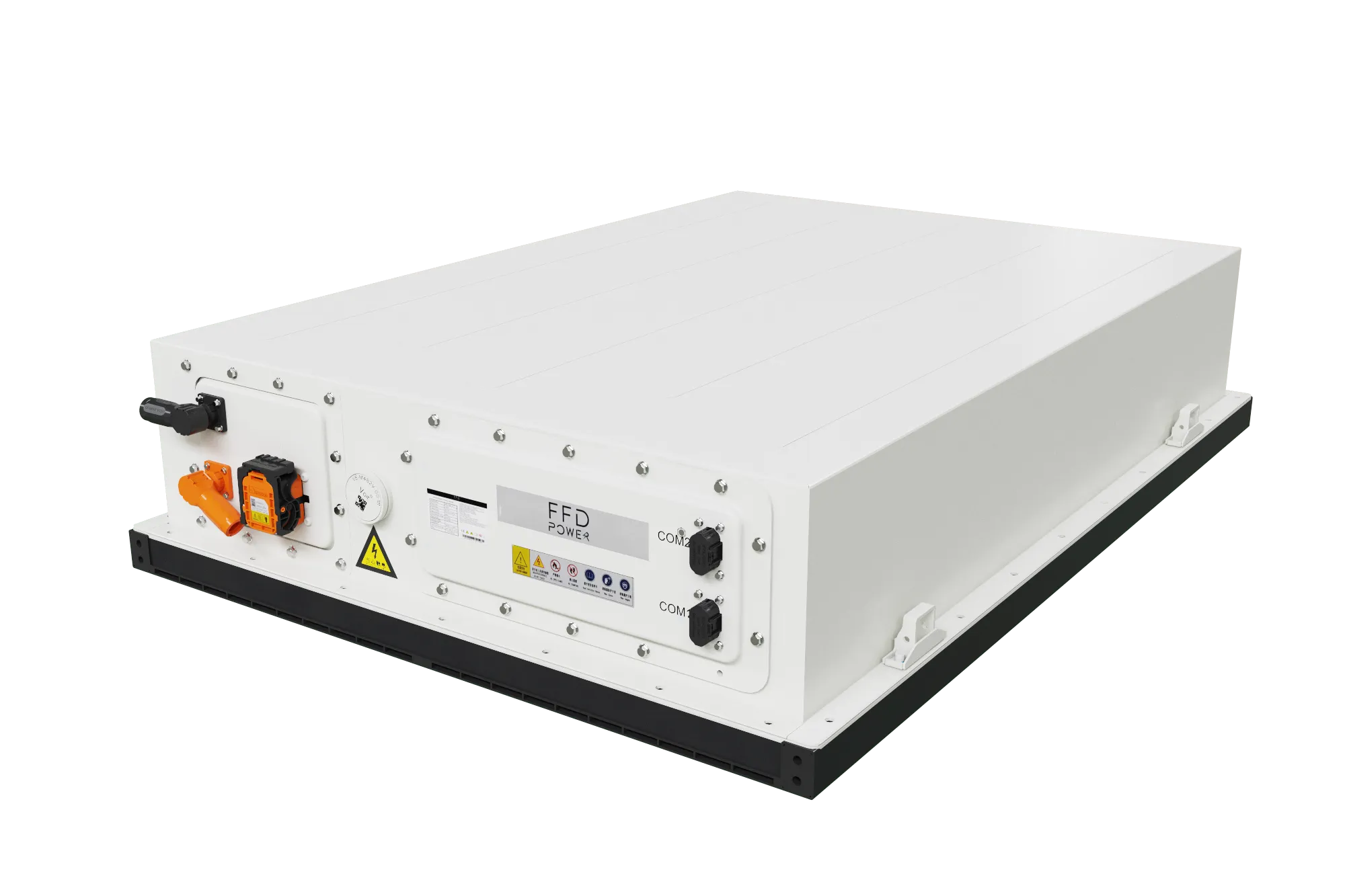
Recommended Products


LFP Best Applications
LFP is built for facilities that cycle daily over two to eight hours of discharge. If your duty cycle stores energy during one part of the day and releases it during another, LFP is almost certainly the right tool.
Solar + Storage
Shift midday solar generation to evening peak. Daily cycling for 15+ years.
Peak Shaving
Cap demand charges by discharging during facility peak windows.
Commercial Backup
Multi-hour backup for retail, warehouse, and light-industrial facilities.
Utility Storage
Grid-scale energy time-shift, ancillary services, and capacity firming.
LFP Battery Specs
The lithium-ion (li-ion) solutions emphasizes industry-standard reliability and rigorous compliance for global integration.
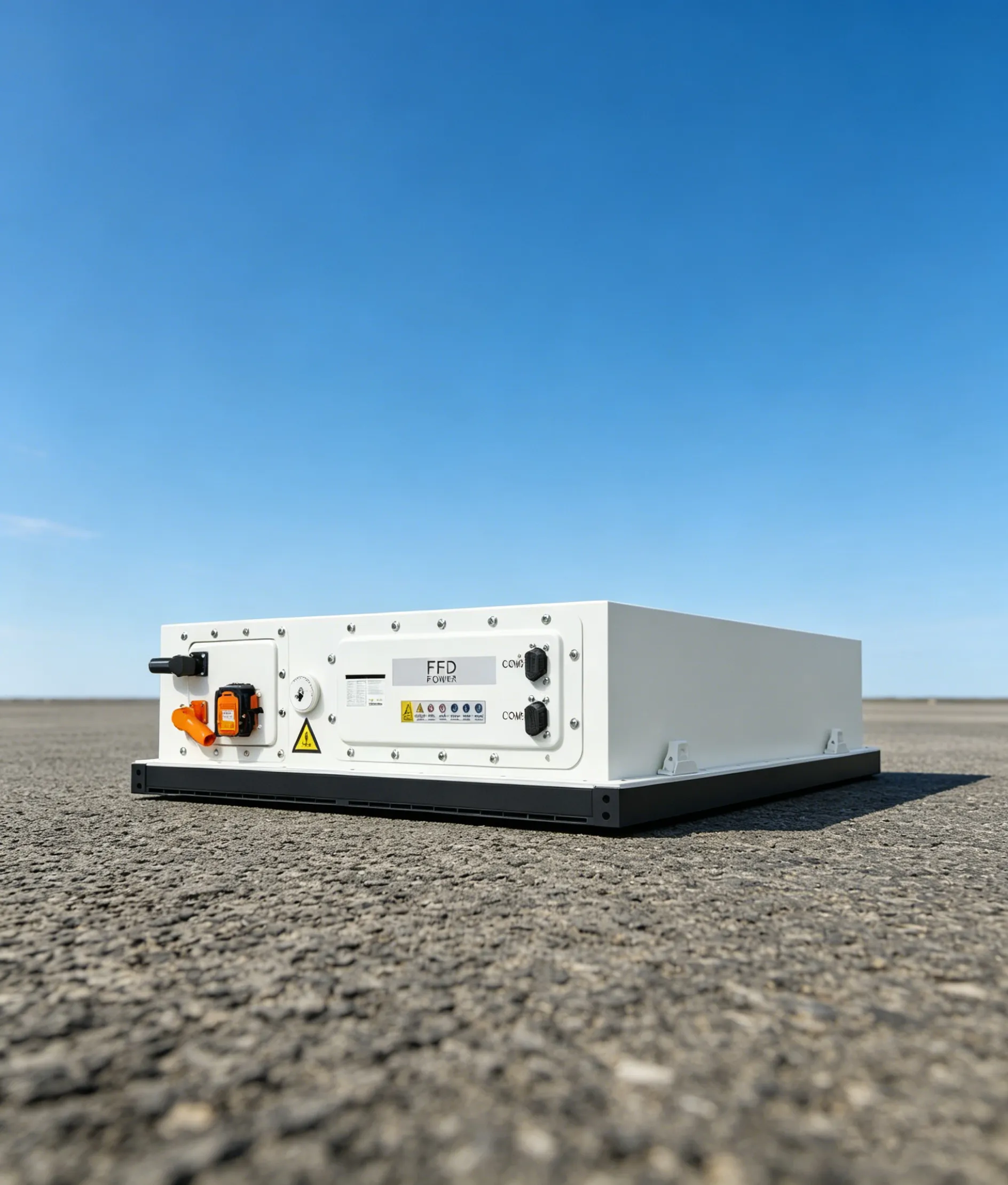
These units are fully certified under UN 38.3 to ensure safety during international transit and meet the UL 9540A standard for large-scale fire safety. By achieving no fire events during testing, these batteries demonstrate the highest level of protection against thermal propagation in mission-critical systems.
— CHEMISTRY COMPARISON
Comparison Between the Three Chemistries
NiZn, LFP, and sodium-ion each solve a different problem. Use this table to find the chemistry that matches your duty cycle and site constraints.
Attribute
NiZn
LFP
Sodium-ion
Best duty cycle
Short, high-power pulses
Long-duration daily cycling
Long-duration, cost-sensitive
Fire risk
No thermal runaway
Low (LFP-stable)
Low
Energy density
Lower
High
Moderate
Power density
Very high
Moderate
Moderate
Operating temp
-20 to +50°C
0 to +45°C
-30 to +60°C
Critical materials
None (Ni, Zn)
Lithium
None (Na)
Use case
Data center UPS
Solar shifting
Long-duration grid
FAQ
Frequently Asked Questions about LFP Battery
LFP (lithium iron phosphate, also written LiFePO4) is a lithium-ion battery chemistry that uses iron and phosphate instead of cobalt or nickel in the cathode. LFP cells are more thermally stable than other lithium-ion variants, contain no critical materials, and deliver long cycle life — making them the dominant chemistry for stationary energy storage.
FFD POWER LFP cells are rated for 6,000+ cycles at 80% depth of discharge, which translates to roughly 15 to 20 years of daily cycling. LFP exhibits gradual, predictable capacity fade rather than sudden failure — making it bankable for utility-scale projects.
Yes. The olivine crystal structure of LFP is thermally stable to higher temperatures than NMC or NCA, which significantly raises the threshold for thermal runaway. LFP is the safest mainstream lithium-ion chemistry — but it is not non-flammable. For fire-free chemistry suitable for indoor critical backup, see our NiZn battery page.
LFP batteries typically deliver 90–95% round-trip efficiency at the cell level. X-POWER LFP cabinets are rated at approximately 92% RTE under standard operating conditions, which is the highest of any chemistry in our lineup.
No. LFP cells contain lithium, iron, and phosphate — no cobalt and no nickel. This eliminates the supply-chain risk and ESG concerns associated with cobalt mining, and simplifies sustainability reporting for utility and corporate buyers.
Choose LFP when your duty cycle is long-duration daily cycling — typically 2 to 8 hours of discharge — and you want the lowest cost per kWh. Choose NiZn for fire-critical short-duration UPS, and sodium-ion for cold climates or extreme cost sensitivity at long duration.