Daytime Solar, Evening Revenue —— in Israel
Project Overview
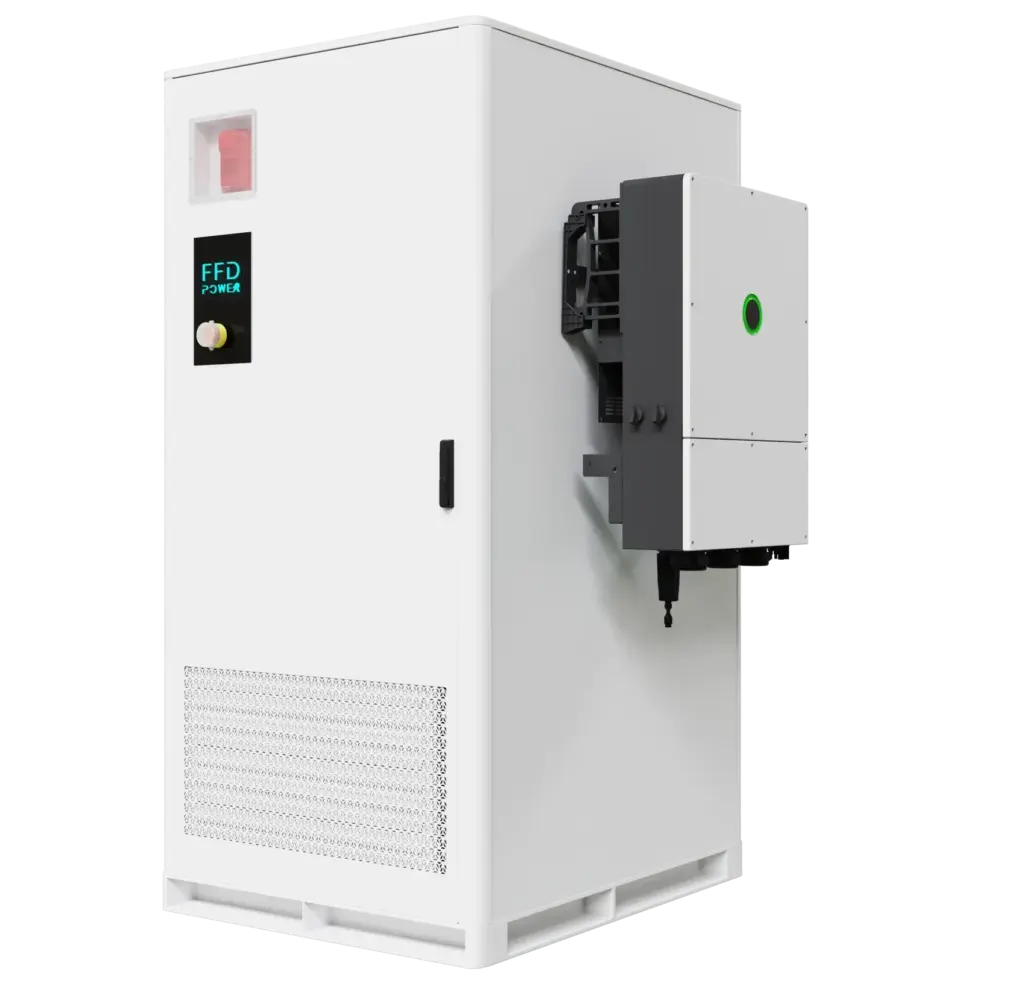
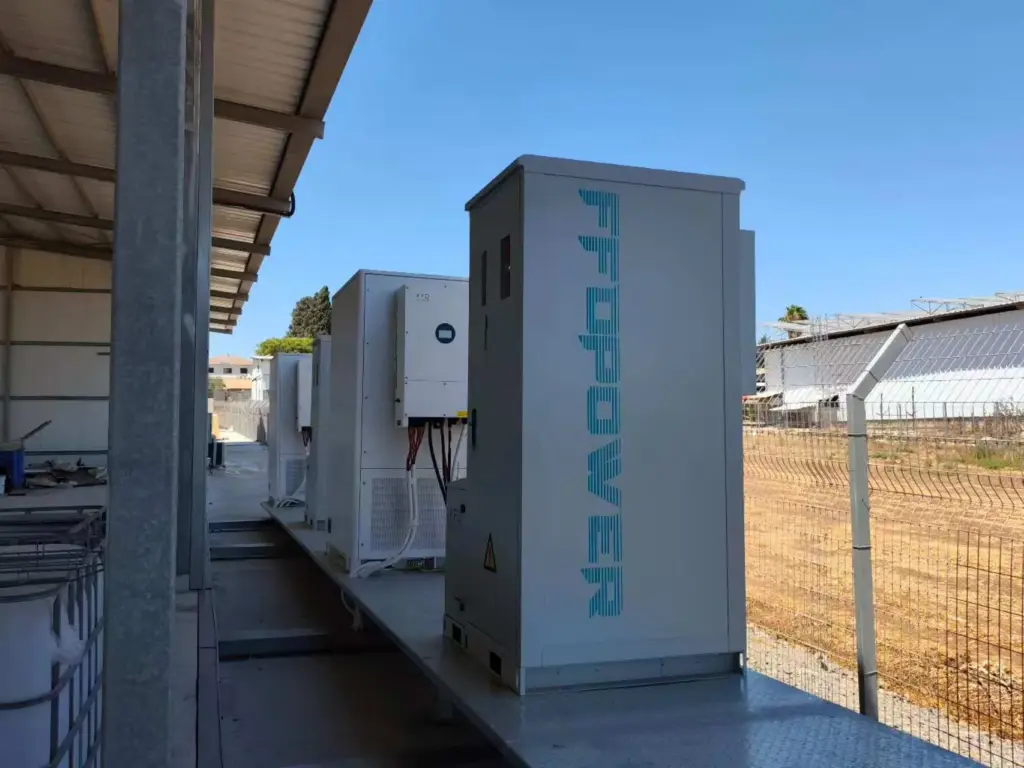
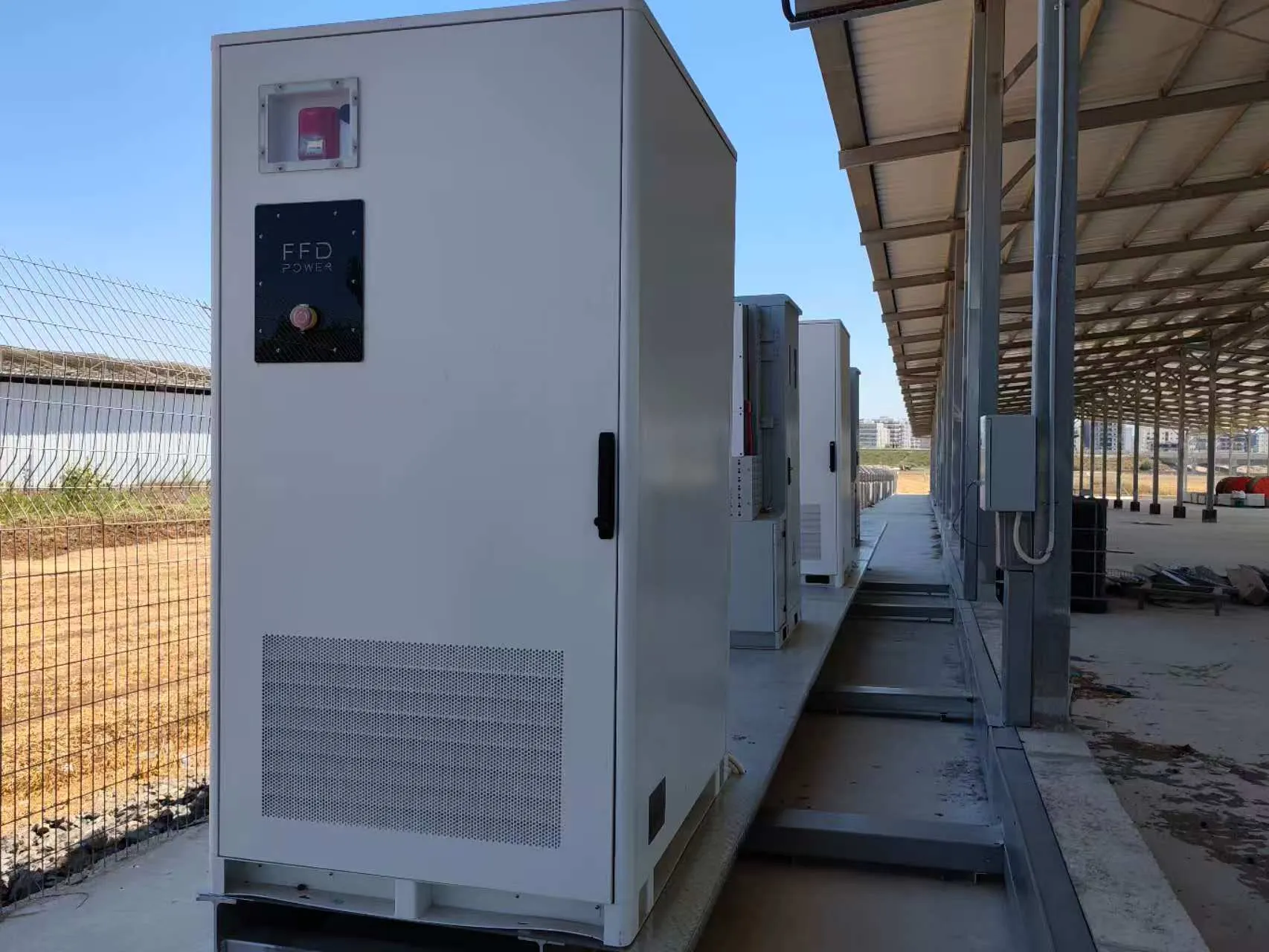
FFD POWER deployed a four-cabinet BESS for Solar Arbitrage in Israel, combining liquid-cooled and air-cooled battery cabinets with hybrid inverters. The system stores photovoltaic energy during the day and discharges it during evening high-tariff periods, helping the site increase the value of its solar generation through energy shifting and time-of-use arbitrage.
Project Background
The site generates solar power during daylight hours, while its most valuable discharge window occurs later in the day when electricity tariffs are higher. Without energy storage, surplus PV energy cannot be fully shifted to the evening revenue period, limiting the economic return of the solar installation.
Project Challenge
- Solar Time Mismatch: PV generation is concentrated during the day, while the higher-value electricity period occurs in the evening.
- Flexible Integration: The project combines liquid-cooled and air-cooled battery cabinets within one coordinated storage system.
- Revenue Optimization: The EMS must schedule charging and discharging according to PV output, battery status and time-of-use tariffs.
FFD POWER Solution
FFD POWER provided a modular hybrid BESS architecture that allows different cabinet types to operate under unified energy management while supporting both solar energy shifting and tariff-based arbitrage.
System Specifications
- BESS configuration: 2 × 50kW/100kWh + 2 × 50kW/233kWh
- BESS capacity: 200kW/666kWh
- Cooling configuration: 2 liquid-cooled cabinets + 2 air-cooled cabinets
- Inverter type: Hybrid inverters with 2× Solar capacity
- Application: PV energy shifting and time-of-use tariff arbitrage
- Architecture: Modular multi-cabinet BESS integrated with the site PV system
Operational Logic: Daytime Charging and Evening Discharge
The EMS coordinates solar generation, battery state of charge and electricity tariffs to maximize the value of each stored kilowatt-hour:
- Solar Energy Storage: During the day, available PV energy is prioritized for charging the battery cabinets instead of being exported or curtailed at low value.
- Time-of-Use Scheduling: The EMS reserves stored energy for the predefined evening peak-price window and controls the discharge schedule automatically.
- Coordinated Cabinet Operation: Liquid-cooled and air-cooled cabinets are dispatched as one system, with power allocation adjusted according to available capacity, operating limits and state of charge.