
Securing Factory Uptime with 20ms Seamless Backup — in Ukraine
Project Overview
Facing chronic grid instability and rising electricity tariffs, an industrial flooring factory in Ukraine partnered with FFD POWER to deploy a 250kW / 522kWh hybrid BESS that secures production continuity and cuts energy costs through daily peak-valley arbitrage. This project shows how a single Battery Energy Storage System can act as both a seamless UPS and a revenue-generating asset, transferring critical loads to battery power in under 20ms while shaving peak-hour tariffs every operating day.

Project Background
Ukraine’s industrial sector continues to operate under a strained and unpredictable electricity grid, with frequent voltage sags, brownouts, and unplanned outages. For continuous-process manufacturers such as flooring producers — where extrusion lines, presses, and curing ovens cannot tolerate sudden power loss — even a sub-second interruption can mean scrapped batches, damaged equipment, and hours of restart downtime. At the same time, escalating peak-hour electricity tariffs have made energy one of the fastest-growing line items on the factory’s P&L, pushing operators to look beyond traditional diesel gensets toward smarter, hybrid energy storage solutions.
Project Challenge
- Grid Instability: Frequent voltage fluctuations and unplanned outages from the local utility threatened 24/7 production continuity on critical flooring lines.
- Critical Load Protection: Production equipment required seamless, sub-cycle backup — anything slower than a standard UPS would still trigger machine faults and ruined product.
- Rising Energy Costs: Climbing peak-hour electricity tariffs were eroding margins, making peak-valley arbitrage a strategic priority alongside backup.
- Limited Footprint: The retrofit had to fit within the existing factory yard with minimal civil works and a fast commissioning window.
FFD POWER Solution
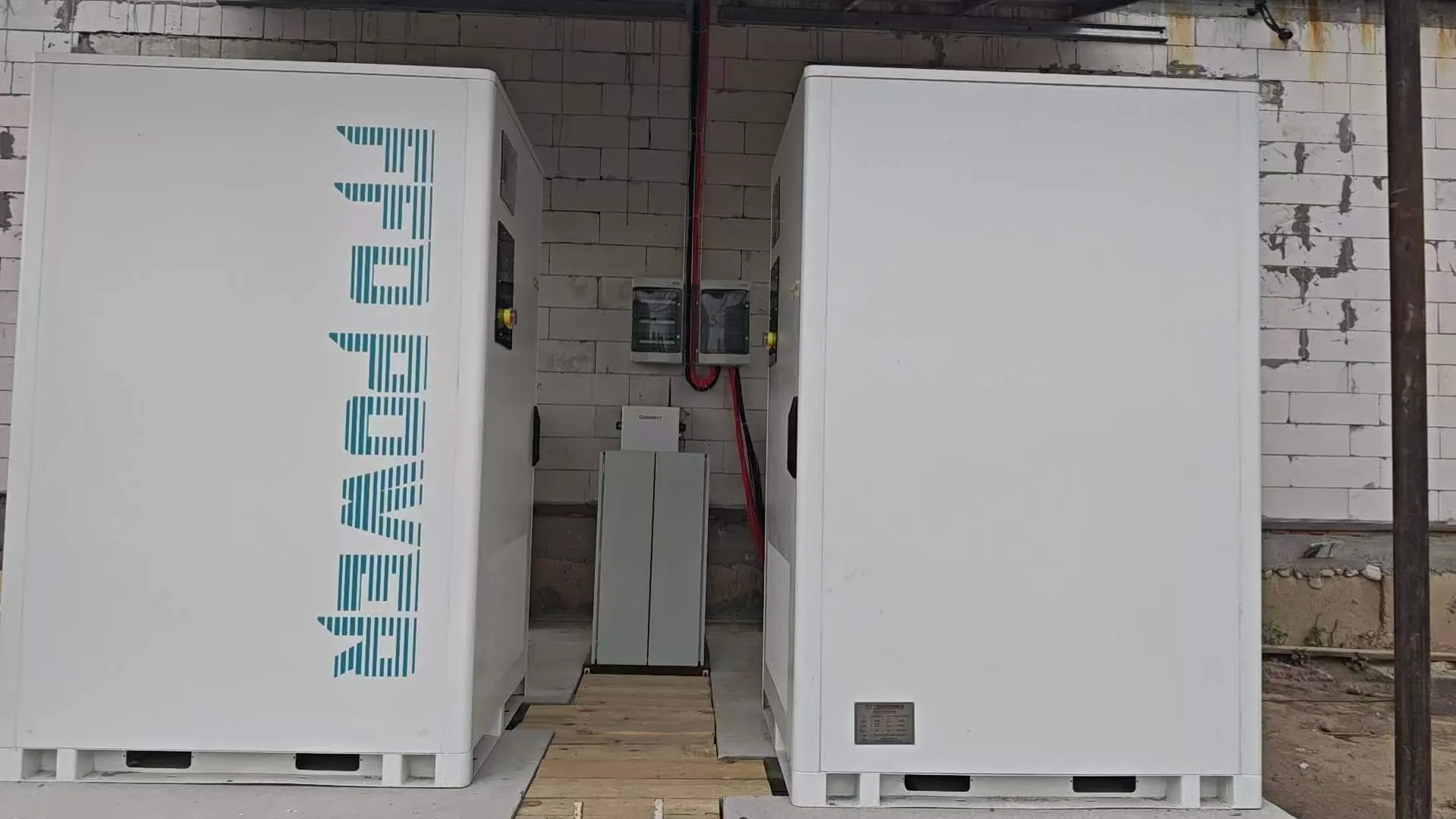
FFD POWER deployed an All-in-One BESS built around the Galaxy 261 cabinet with a 125kW hybrid Inverter, architected as a dual-mode “Energy Hub.” The system sits in parallel with the utility feed: under normal conditions it runs daily peak-valley arbitrage to harvest tariff differentials, and the moment grid quality drops, it transfers critical loads to battery power in under 20 milliseconds — fast enough that sensitive production equipment never sees the disturbance.
System Specifications
- PV installed: Not deployed in Phase 1 (grid + battery hybrid; PV-ready for future expansion)
- BESS Power: 250 kW
- BESS Capacity: 522 kWh
- Product used: 2 * Galaxy 261 BESS Cabinet with 125kW hybrid inverter
- Architecture: Grid-parallel hybrid PCS with seamless backup transfer ≤ 20ms
- Operating Modes: Peak-valley arbitrage + UPS-grade backup, coordinated by onboard EMS
- Application: Industrial backup for a flooring manufacturing facility
Operational Logic: Strategy
The intelligence of this project lies in the EMS, which continuously coordinates the grid, battery, and factory loads to deliver both reliability and savings from a single asset:
- Valley-Hour Charging: During off-peak windows when tariffs are lowest, the EMS draws power from the grid to charge the 522kWh battery bank to its daily target state of charge.
- Peak-Hour Discharge: When daytime tariffs climb, the BESS discharges into the factory bus at up to 250kW, offsetting expensive grid energy and delivering measurable energy arbitrage savings every operating day.
- Seamless Backup Mode: On detecting a grid disturbance or outage, the hybrid inverter transfers critical production loads to battery power within 20 milliseconds — well inside the ride-through tolerance of sensitive manufacturing equipment.
- EMS Coordination: The onboard EMS arbitrates in real time between grid status, battery state of charge, tariff schedule, and factory load profile, optimizing charge/discharge cycles to balance uptime guarantees against lowest cost of energy
