
Stop Burning Diesel Into Resistors in Germany
Project Overview
BESS as Generator Test Load In Germany refers to a landmark FFD POWER project tailored for diesel generator manufacturers across Germany. This innovative solution deploys a controllable battery energy storage system (BESS) as a test load for generator testing, replacing traditional resistor load banks that simply dissipate test power as wasted heat. Instead of discarding power output during generator performance verification, the BESS stores captured electricity for multi-purpose utilization: excess energy can be exported back to the public grid, leveraged for peak-valley arbitrage to cut operational costs, or retained as reliable on-site backup power for facility emergencies as needed.
Project Background
Diesel generators must be tested under real electrical load before delivery or commissioning. For a generator supplier, the conventional resistor load-bank method is technically simple but economically wasteful: diesel is burned, electricity is produced, and the output is immediately converted into heat. The customer needed a test-load solution that preserved the testing function while turning recoverable energy into a usable asset.
Project Challenge
- • Test Load Control: The BESS must behave as a stable and controllable electrical load for generator testing, with safe charging and SOC headroom management.
- • Energy Recovery: Generator test energy must be stored efficiently and dispatched later without disturbing normal test procedures.
- • Grid Integration: The system must support grid export, low-price grid charging, dynamic PCC power limits, and future EMS logic updates for self-consumption or backup operation.
FFD POWER Solution
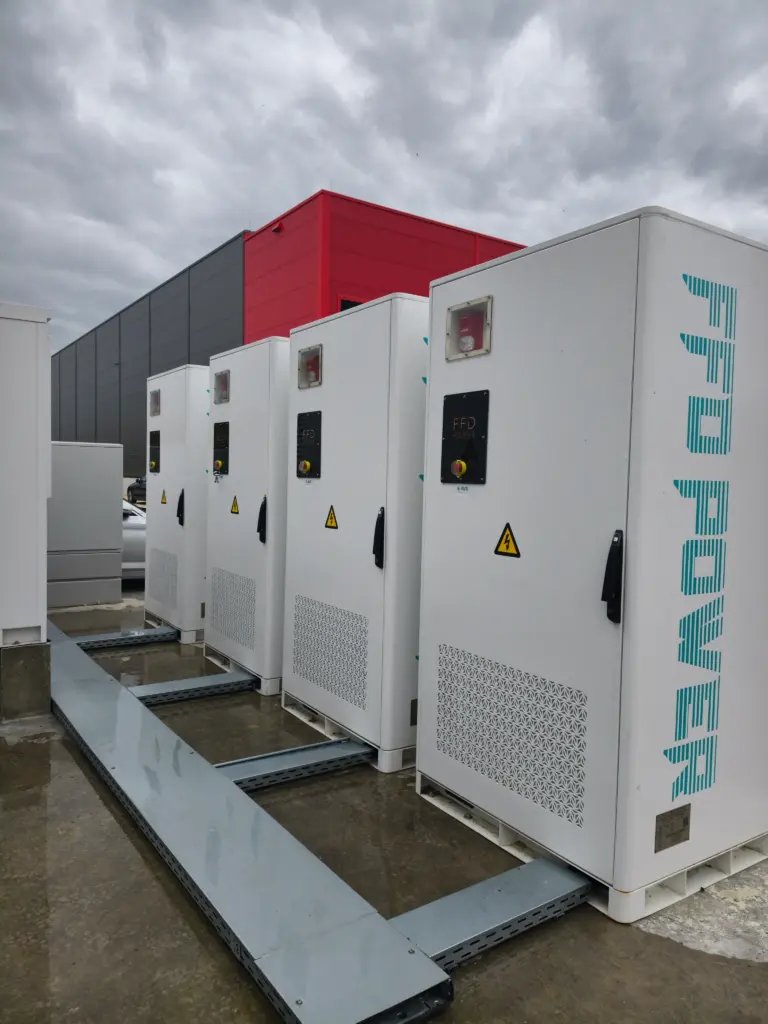
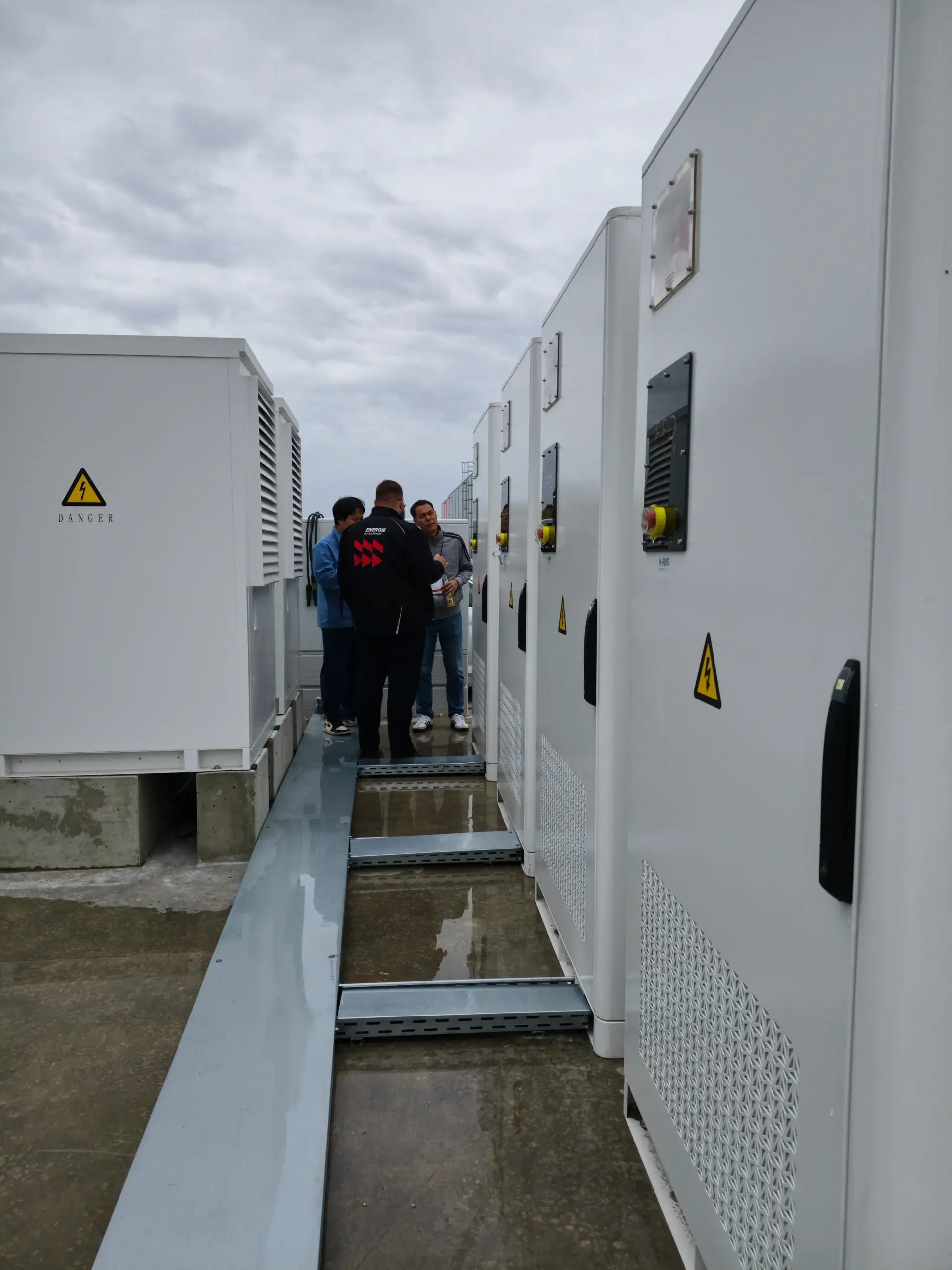
FFD POWER supplied a 500kW / 1.044MWh BESS based on four Galaxy261L battery cabinets. The system uses separated PCS logic: one side absorbs diesel generator output as a rectifier/load path, while the grid-side PCS handles bidirectional grid interaction for export, import, arbitrage, and backup dispatch.
System Specifications
- • Configuration: 500kW / 1.044MWh, calculated as 4 x 261kWh battery cabinets.
- • Application: Generator test load, grid export, and peak-valley arbitrage
- • Product used: FFD POWER Galaxy261L battery cabinet x 4 with PCS and EMS
- • PCS design: 500kW total PCS capacity, arranged as generator-side load/rectifier logic and grid-side bidirectional logic
- • Architecture: AC-coupled BESS with separated generator testing and grid interaction paths
Operational Logic: The Energy Bank" Effect
The core innovation lies in how the EMS manages generator testing, energy storage, and grid interaction within one site-level control strategy:
- • Generator Test Charging: During generator load testing, the rectifier/load PCS absorbs generator output and charges the BESS while the EMS maintains SOC headroom before each test cycle.
- • Peak-Valley Arbitrage & Dynamic Expansion Limit: The BESS can charge from low-price grid power or recovered test energy, then discharge or export during high-price periods while keeping PCC import/export within the allowed capacity limit.
- • Self-Consumption & UPS Backup Mode: If the customer later adds sufficient on-site load, the EMS can be remotely upgraded to prioritize self-consumption; backup logic can reserve SOC and support critical loads during grid interruption.
